
Assessment
Whole school unaided writing assessment
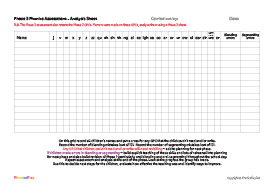
This assessment is suitable for Foundation Stage, Key Stage 1 and for many schools will be useful in Key Stage 2 as well. It is carried out four times per year. It gives a good overview of the phases children are working at, where to pitch whole class teaching and identifies children who require additional interventions. It gives a good snapshot but more detailed assessments may be necessary to fully explore particular children and their strengths and needs. Instructions for unaided writing assessment.
Assessment sheets for each phase
These assessments are designed to be used before and after a phase is taught to show how much progress a child has made. They were designed to be carried out 1:1. Some teachers use them to assess intervention groups, others assess their whole class but this can be time consuming.
When carrying out the before test, it is important to let children know that they haven't been taught these things yet. Reassure them that it is fine if they do not know things and that they will soon be experts. If a child is obviously struggling, simply stop the assessment and record this on the sheet. Remind the child that they will learn these things very soon. If a child does get the majority of the before test right, then they may need to work on the next phase up.
Hopefully when you carry out the after test, there will be clear progress when compared to the before test. Children often enjoy looking at the before and after tests themselves to see how much progress they have made. If there isn't clear progress, then you may need to reflect on how to make phonics teaching more effective. See Phonics Not Working?
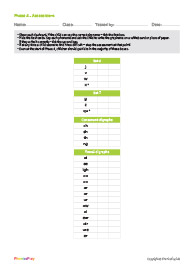
Phase 2 Assessment (and Flashcards to use during the assessment)

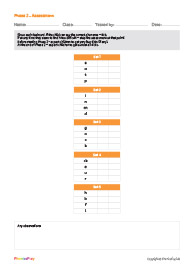
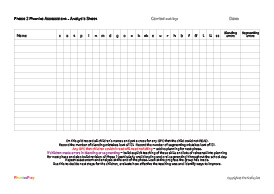
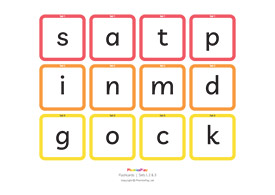
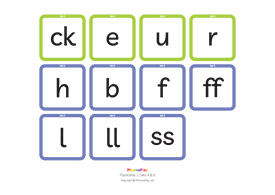
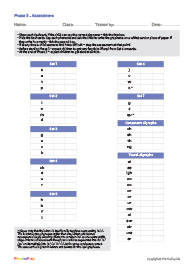
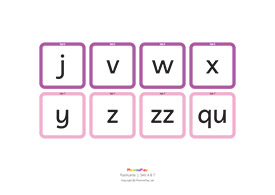
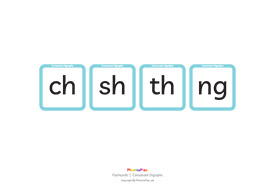
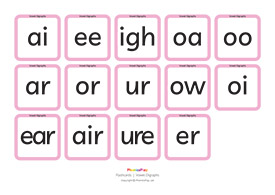
Phase 3 assessment (and Flashcards to use during the assessment)
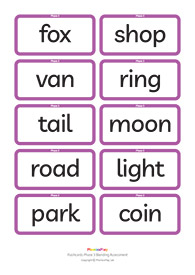
Phase 4 assessment (and Flashcards to use during the assessment)
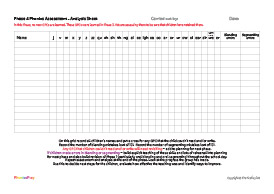
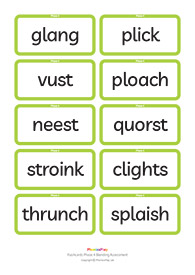
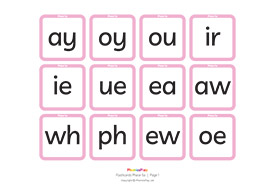
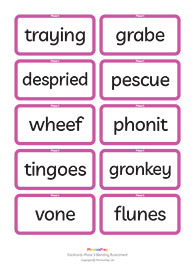
Phase 5a assessment (and Flashcards to use during the assessment)
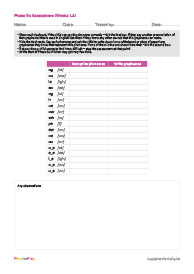
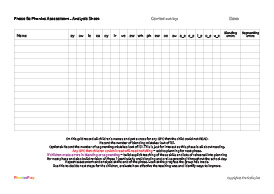
Other assessments
See the appendices at the back of Letters and Sounds for further assessments.
Assessment within lessons
It can be very helpful in all lessons to jot down quick notes about any problems that particular children are having or any GPCs that lots of children are struggling with. By doing this you can make sure that you can build extra support into future planning. Encourage any adults working in class to do this too. I find that it is handy to have packs of post it notes to scribble down observations on. I can then stick these straight onto my plans and they don't get lost.